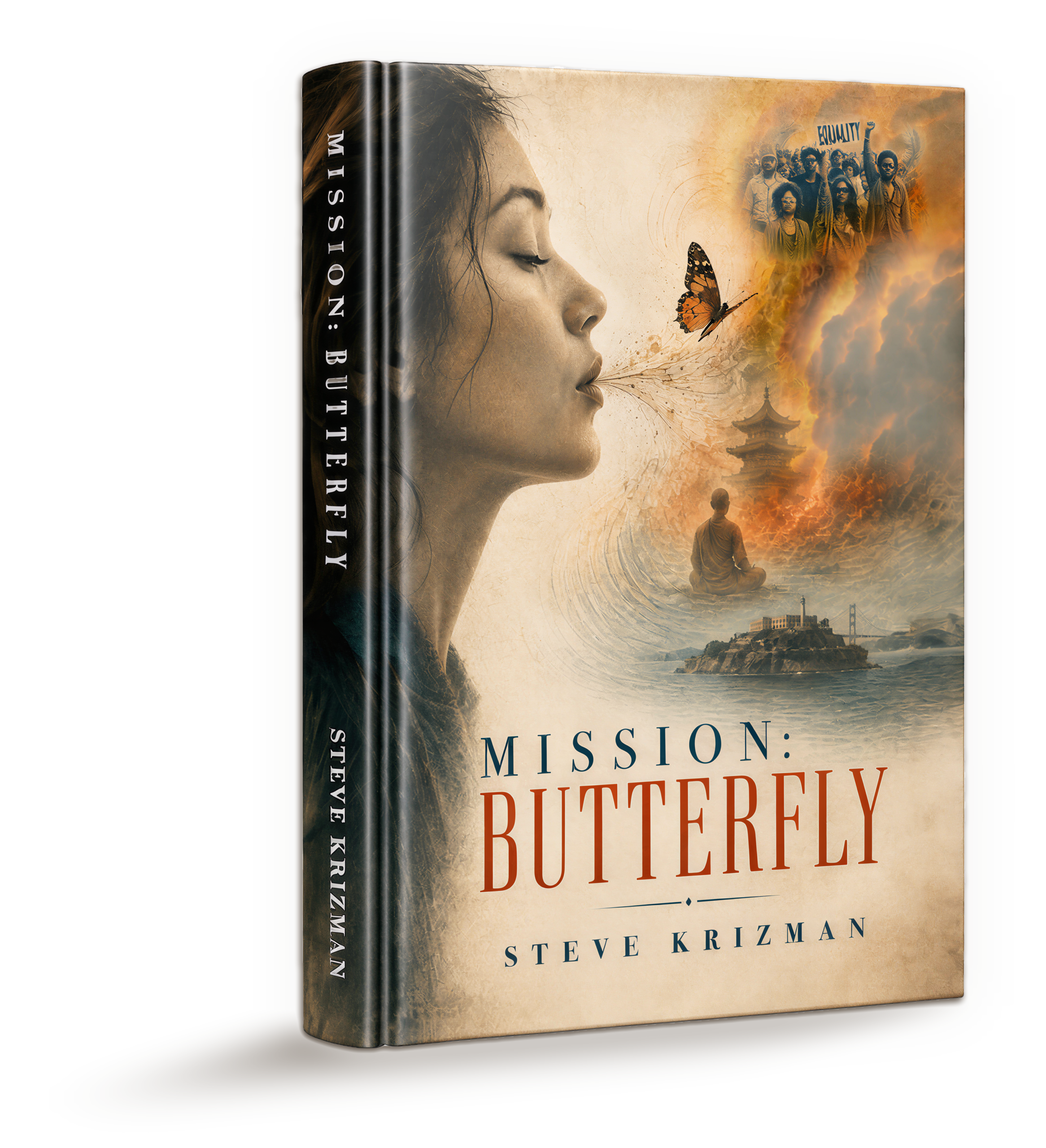
The Planet Ran Out of Time …

So They Went Back to Find Some.
They already know how this story ends. Now three strangers have one shot to rewrite it — starting in the 1960s.
COMING THIS WINTER
About Mission: Butterfly
In 2039, the world is already ash. Three time travelers cross into the 1960s with one doctrine: no Big Moves. Only butterfly breaths.
Helene believes patriarchy lit the fuse. Hiêu believes colonialism did. Zack believes it was the oligarchs — it’s always the oligarchs. Each has a target, a plan, and the righteous certainty of someone who has already read how history ends.
They are all wrong.
Elizabeth Hood is murdered before she can talk. The monk burns anyway. Richard Oakes turns out to be only a man. Targets die, vanish, or prove far more complicated than any briefing file promised. And the ones who actually bend the arc of history — Waylene, Annie, Nguyet, Yvonne — are women none of them were sent to find.
From the church bombings of Birmingham to the jungles of Vietnam to the rocks of Alcatraz, Mission: Butterfly follows three would-be saviors who learn, one failure at a time, that the mission was never about being right.
For anyone who has run the numbers on climate change and come up feeling too small to matter: you don’t save the world by being right. You save it by being present. Humble. Relational.

About the Author
I hear echoes of history reverberating today. The establishment is threatened, so it responds by vilifying the people who have solutions. Solutions that upset the status quo.
Environmentalists are called worrywarts. Human rights activists are called snowflakes. The compassionate are called socialists.
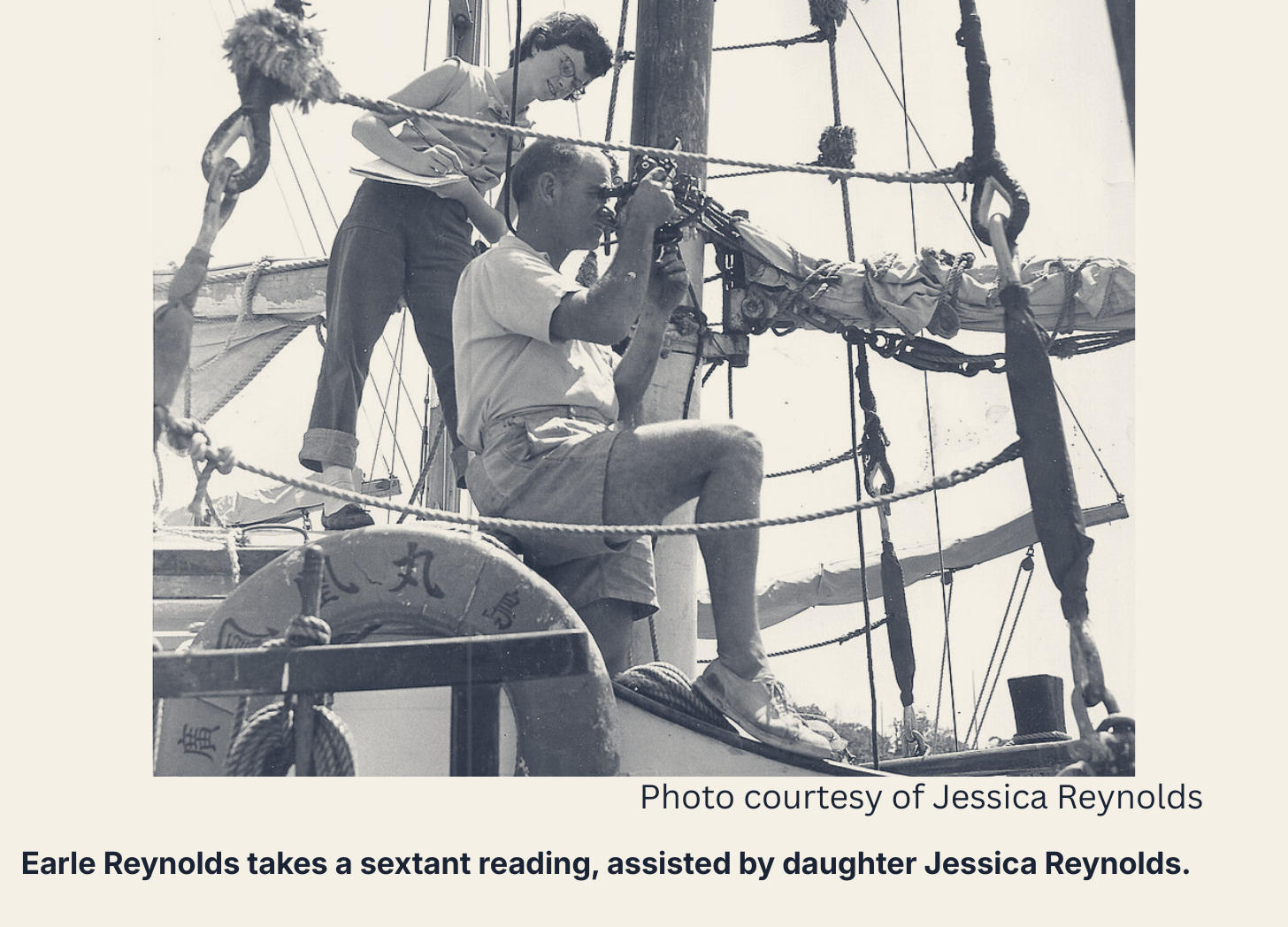
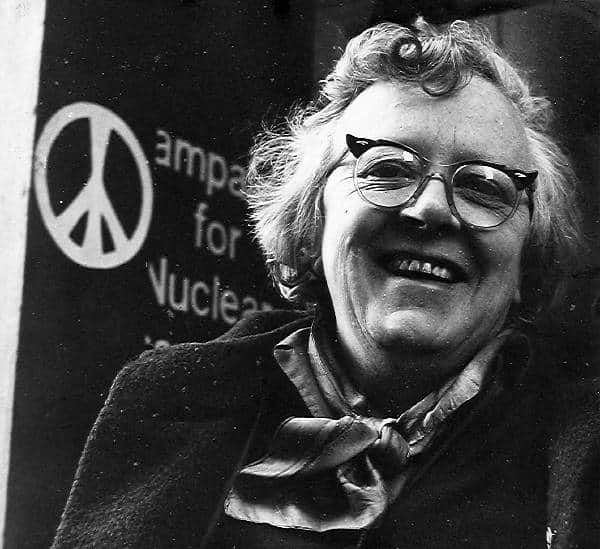
In researching my debut novel, Mission: Butterfly, I discovered thinkers and doers in the 1960s who saw where we were headed and had ideas to stop oligarchs from exploiting both people and the planet. Rachel Carlson blew the whistle on pesticides. Bayard Rustin urged workers of all races to unite. Howard Rock resisted hegemony.
In the novel, time travelers go back to give the good guys a hand. In my series of essays, The Wrong Turn, I explore what the good guys could teach us today.
Essay Series: The Wrong Turn
-
Not about the money. Until it was.
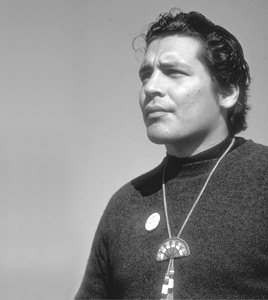
How an artist, a bomb, and a billion dollars remade what it meant to be Native in Alaska
-
Class, Not Color.
He built the coalition behind the March on Washington, then spent the rest of his life arguing the movement was fighting the wrong enemy.
-
The Summer America Said No
In 1968, the most diverse coalition in American history demanded jobs, homes, and food for all. The country decided that was asking too much.